

Jaguar XJR (1994 – 1997) vs BMW 7 Series (1994 – 1998): specs compared
Both offer around 326 hp at most. The Jaguar XJR is quicker, reaching 100 km/h in 6.3 s against 6.6 s. The BMW 7 Series uses less fuel, from 7.9 L/100 km against 11.7 L/100 km. It is the lighter car, from 1,670 kg against 1,775 kg. At 5,123 mm, the BMW 7 Series is 104 mm longer than the Jaguar XJR.
| Specification |
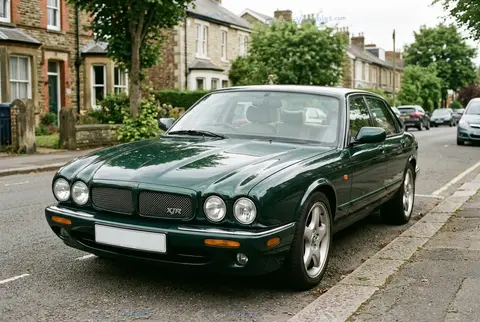 Jaguar
XJR
1994 – 1997 |
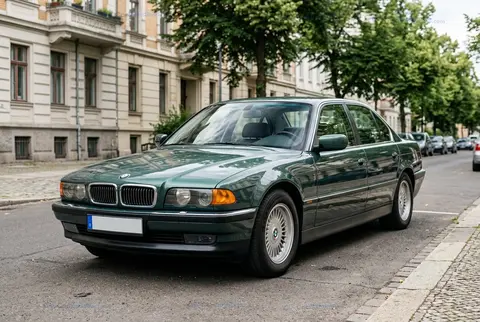 BMW
7 Series
1994 – 1998 |
|---|---|---|
| Overview | ||
| Origin | United Kingdom | Germany |
| Documented years | 1994 – 1997 | 1994 – 1998 |
| Body style | — | — |
| Variants | 2 | 18 |
| Fuel | Petrol | Diesel, Petrol |
| Drive | RWD | RWD |
| Gearbox | Automatic · Manual | Automatic · Manual |
| Performance | ||
| Power | 326 hp | 143 – 326 hp |
| Torque | 512 Nm | 280 – 490 Nm |
| 0–100 km/h | 6.3 s | 6.6 – 12.2 s |
| Top speed | 250 km/h | 203 – 250 km/h |
| Economy | ||
| Fuel economy | 11.7 – 12.5 L/100 km | 7.9 – 12.6 L/100 km |
| Dimensions | ||
| Length | 5,019 mm | 4,981 – 5,123 mm |
| Width | 1,801 mm | 1,859 mm |
| Height | 1,300 mm | 1,420 mm |
| Wheelbase | 2,870 mm | 2,931 – 3,071 mm |
| Curb weight | 1,775 kg | 1,670 – 1,995 kg |
Ranges cover all variants of each car. The highlight marks the best version per row.